


I have rarely felt my dead sister come around. Just a couple dreams over these almost ten years, cameos really, where she showed up in passing. Jennifer, my older sister, has had a much better hit rate than I.
But there have been a few times I’ve felt her presence. Not like a visitation—maybe more like when someone talks to their TV. A few times her opinion on something was strong enough and my periphery porous enough that I’ve sensed her, pressing into the veil.
It was the first anniversary of her death that I felt this. I’d gone upstate the night before to spend the day alone and planned to go out for lunch and visit her grave.
The sun was bright and beckoning, cutting a channel through the fog in my head, no doubt from the wine I’d been swilling while talk-crying with Jenny the night before.
I sat there sipping my coffee and watching a very determined squirrel load the last of her acorns into her little tree house, when I felt Lis enter the other side of my scene with her inimitable sass and ability to summarize any tension with a few tart words:
…get some help, K-K…you’re not making it.
This was true. I was not.
Help
But when I tried to work out the details of getting counseling, I froze.
The issues were legion.
The first was that I’d had some very unhelpful Christian counseling years before and still felt its sting. I desperately didn’t want someone attaching a Bible verse to my pain.
Then there was the problem of secular counseling. As I conceived of it, that boiled down to “talk therapy.” Its guiding principle was processing. The very concept of this offended me, as if my dead sister could be processed, like sugar cane or coffee beans.
And then there was the risk of referrals. I assumed many therapists, after getting a little taste of my situation, would pack me off to a psychiatrist where I’d get prescriptions. (I look back now and realize I may well have benefited from them.) But at the time, I was deeply ambivalent, suspicious even. Medicate my sister out of my head? I balked.
But maybe the biggest issue was that I knew I was not, in a technical sense, grieving. That might have been what concerned and embarrassed me most. I didn’t quite know then how to characterize what was wrong with me. The truth was that it was more related to traumatic stress than grief.
But I could not picture taking up an hour-long session to say to some person with letters after their name:
Hey there. My sister died and I’m whispering to her bracelets and afraid to leave my kitchen.
But after Lis prosecuted her pithy case, I flipped open my laptop and started scrolling my church’s counseling website. I had to start somewhere and eventually I was going to have to contend with God.
At some level I knew too if healing were to be had, it would have to begin with a confession—of how very far away I was from it.
Shame in Grief
But as I scrolled, I was immediately crestfallen looking at the counselors’ pictures and bios.
First, the smiles. Honestly. Who’s that happy?
Then I began reading the blurbs and a kind of bile rose up in me—envy. And on its heels, it’s first cousin, shame.
I felt the twist of censure just looking at these lovely believers, their open faces, their earnest service and study.
Deep inside, you see, I was convinced I was a loser-Christian. (This might well make my sweet savior smile and gently shake his head.)
For years while my mother and sister were ill, I’d been unable to contribute much of anything to the world outside my family and even those familial roles I couldn’t accomplish very well, so stretched were my time and abilities. Of course, I knew the people closest to me understood this, but another voice in my head was as mean as two sticks.
If only the voice spoke in full sentences! I might have had a chance at a decent rebuttal. But it seemed always to broker in half-formed thoughts, sentiments really, too vague and fleeting to bring to account, the equivalent of an eye roll or a sigh.
It never once shared the logic behind its mumbling pall. It just offered the verdict again and again—obvious, pervasive, absolute.
I was determined to override the descending gray, to sneak out from under the bell jar and return to engagement at church, to the vineyard of the Lord, like the happy counselors—sign up, form a Bible study, put the lanyard on, plate some food or box up toiletries.
But I couldn’t. I was wound up like a cheap appliance, baking mini-muffins, ignoring texts from friends and courting agoraphobia. Then I had myriad health issues of my own and spent most of my “free” time at the doctor’s office or getting endless MRIs.
I was convinced I would forever be the beggar, never the bread maker.
What irony, really. I was a member of a religion whose cornerstone was a savior whose passion was humans whose needs were great but means insufficient. How in the world had the very desperation that brought me to my knees in the first place become such a point of humiliation?
I kept scrolling, discouragement mounting.
The hobbies were the worst; they actually made my breathing thin: reading, walking, knitting, gardening. All the things people do who do not suffer emotional dysregulation.
No one mentioned chronic pain as a hobby. Or drinking a California Bordeaux blend to take the edge off.
Rugby and Tragedy
Then I came upon a bio which said the counselor was from South Africa.
That’s interesting, I admitted. I like the accent.
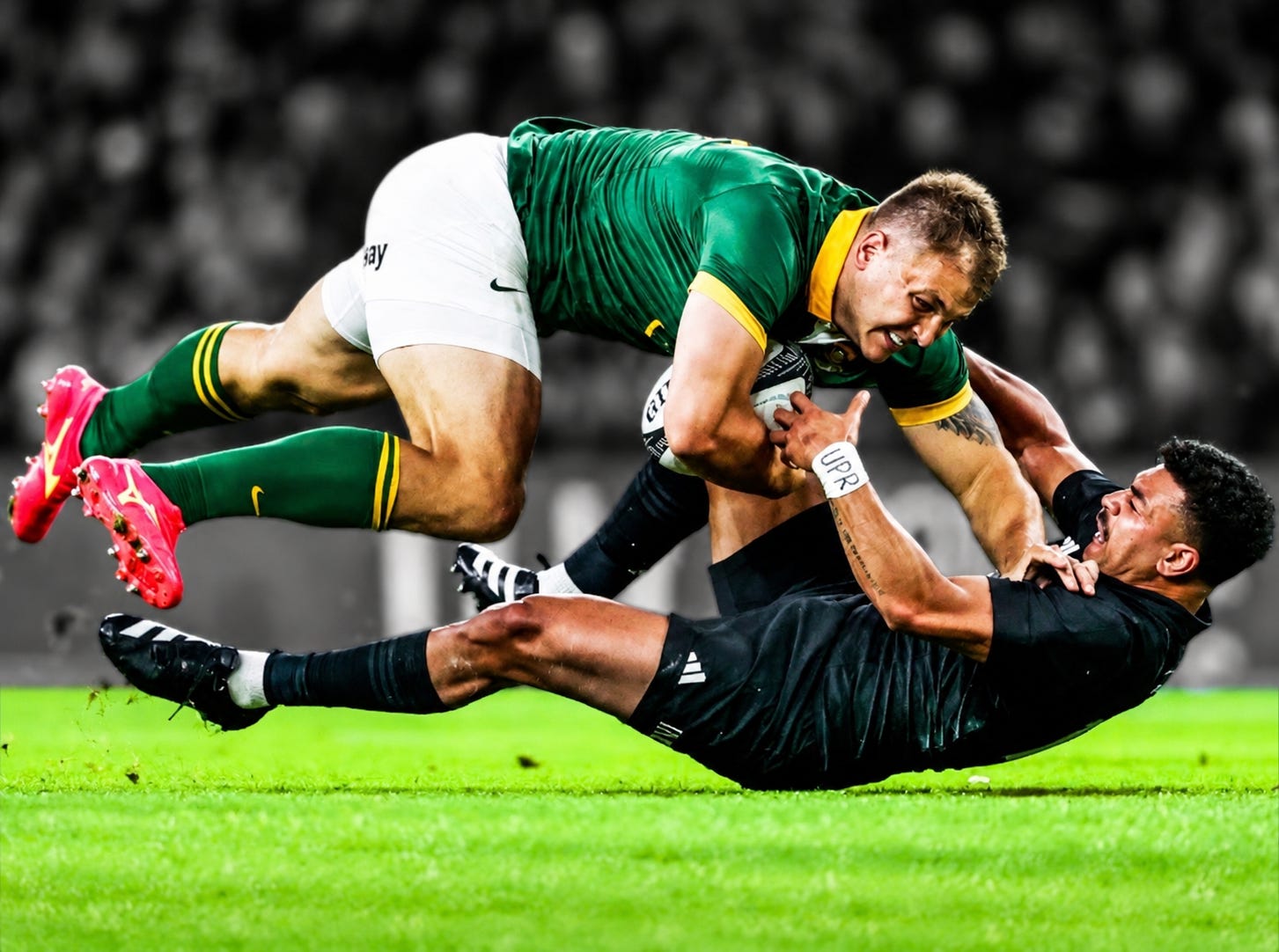
I stared at the picture. It showed a lovely woman, mid-thirties maybe, with straight black hair and coal-colored eyes. I read on. Her hobbies were photography and rugby. She was a devoted South African rugby fan.
Rugby, of course, is a brutal, chaotic sport, the high physical impact of football but without the padding—wall-to-wall savage human takedowns.
I like her, I thought.
I looked at the picture again. Her smile was pretty but not insistent. She had dimples, wonderfully disarming, and something in her dark eyes struck me as honest and human. I studied them a minute more.
Then I continued reading:
Naomi began to focus her practice on the healing of grief after the tragic death of her brother.
I made an appointment.